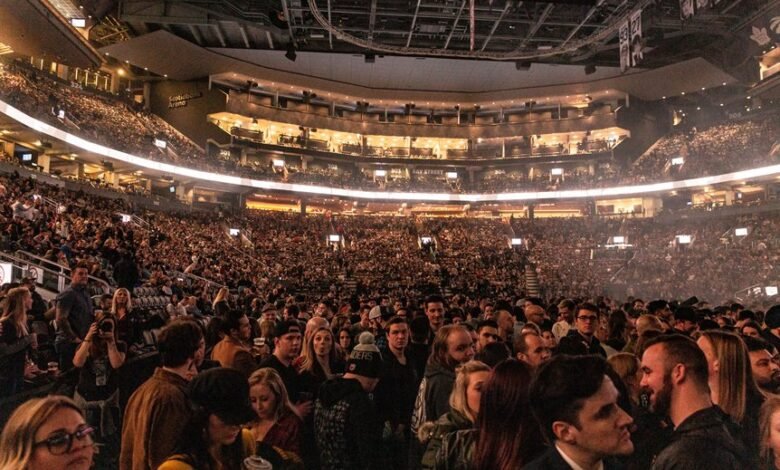
The 1994 Brazil leg of Rod Stewart’s tour became a benchmark in large-scale pop events. Analysts note the blend of global star power with local rhythms, shaping a distinctive audience experience. Logistics, pacing, and crowd management framed a dense sonic drama across cities and arenas. The spectacle raised questions about capacity and participation, inviting scrutiny of how mega-events negotiate accessibility and memory. The implications extend beyond spectacle, inviting further consideration of live music’s evolving ecosystem.
Setting the Scene: Brazil 1994 and Rod Stewart’s Tour Fever
Brazil in 1994 provided a fertile backdrop for Rod Stewart’s touring ascent, with urban centers and regional circuits fueling sustained demand for live spectacle.
The landscape demanded tight stage logistics and clear scheduling, while audience rituals shaped pacing and atmosphere.
Observers note a calculated balance between marquee venues and grassroots venues, reflecting strategic reach, cost efficiency, and measurable cultural resonance.


The Spectacle and Setlist: How 3.5 Million Fans Fueled the Night
The spectacle of Rod Stewart’s 1994 Brazil shows unfolded as a carefully calibrated relationship between audience size and on‑stage dynamics, where millions of fans translated into measurable energy, pacing, and production demands.
The performance emerged through spectacle mechanics and precise crowd choreography, aligning setlists with tempo and mood, translating collective fervor into controlled dramaturgy while preserving artistic spontaneity and audience agency.
Cultural Ripple Effects: Why the Tour Left a Lasting Mark in Brazil
The tour left a measurable cultural imprint in Brazil by interweaving global pop spectacle with local musical anatomy, prompting shifts in audience expectations, media framing, and subsequent live-performance discourse.
It reinforced cultural identity through hybridity, catalyzing fan entrepreneurship as fans built networks, venues, and merch ecosystems.
The ripple effects foregrounded participatory culture, altering how Brazilians negotiate stardom, commodity, and performance memory.
Legacy and Lessons: What the 1994 Brazilian Leg Taught Live Music Today
The 1994 Brazilian leg of Rod Stewart’s tour provides a clear case study in how mega-events recalibrate local live-music ecosystems, revealing both durable infrastructures and fragile dependencies. The experience informs legacy storytelling by illustrating how narratives form around disruption, while audience analytics emerge as essential tools for capacity, pacing, and engagement, guiding contemporary touring strategies toward more adaptive, equitable models.
Frequently Asked Questions
How Did Stadium Safety Adapt to Record Crowds in 1994 Brazil?
Stadium safety adapted through enhanced crowd management strategies, including controlled ingress, refined egress routes, and intensified staff training. Analysts note emphasis on risk assessment, barrier placement, and real-time monitoring to prevent bottlenecks, enabling safer large-scale events despite transformative attendance.
Which Local Artists Opened for Rod Stewart in Major Cities?
Local artists opened some Rod Stewart dates in major cities, and the choice varied by venue. The report notes a coincidence of rising local acts with evolving stadium safety measures, spotlighting how openings framed the audience’s freedom to engage.
What Were the Logistics of Transporting 3.5 Million Fans?
Logistics details centered on mass transit and stadium access, with crowd management protocols guiding entry, egress, and security. The analysis notes scale-driven resource deployment, minimizes congestion, and emphasizes safety considerations to accommodate an audience seeking freedom of movement.
Did the Tour Impact Brazilian Pop Culture Beyond Music?
The tour influenced Brazilian pop culture beyond music by shaping fashion discourse and urban aesthetics, as Brazilian fashion and street samba narratives absorbed performance imagery, redefining youth identity and event-centered celebrations within public spaces.
How Did Media Coverage Shape International Perception?
Media framing shaped international perception by highlighting spectacle and celebrity, while downplaying logistics and local reception; coverage framed Brazil as cosmopolitan and vibrant, influencing foreign audiences to view the event as a cultural milestone rather than a mere concert.
Conclusion
The 1994 Brazilian leg demonstrates scale and sensitivity, scale and stewardship, scale and solidarity. It shows how mass spectacle can coexist with participant agency, how event logistics must marry artistry to access, how regional ecosystems shape global pop, how memory partnerships sustain culture, how adaptation preserves momentum, how infrastructure endures while communities flourish, how touring models balance profit and participation, how tradition blends with innovation, how legacy informs practice, how data guides craft, and how timing authenticates performance.